From bottle to glass, assurance in alcoholic beverages.

Counterfeit refilling and untaxed product put both brand reputation and consumer health at risk.

Implementation

Tagvex in alcoholic beverages.

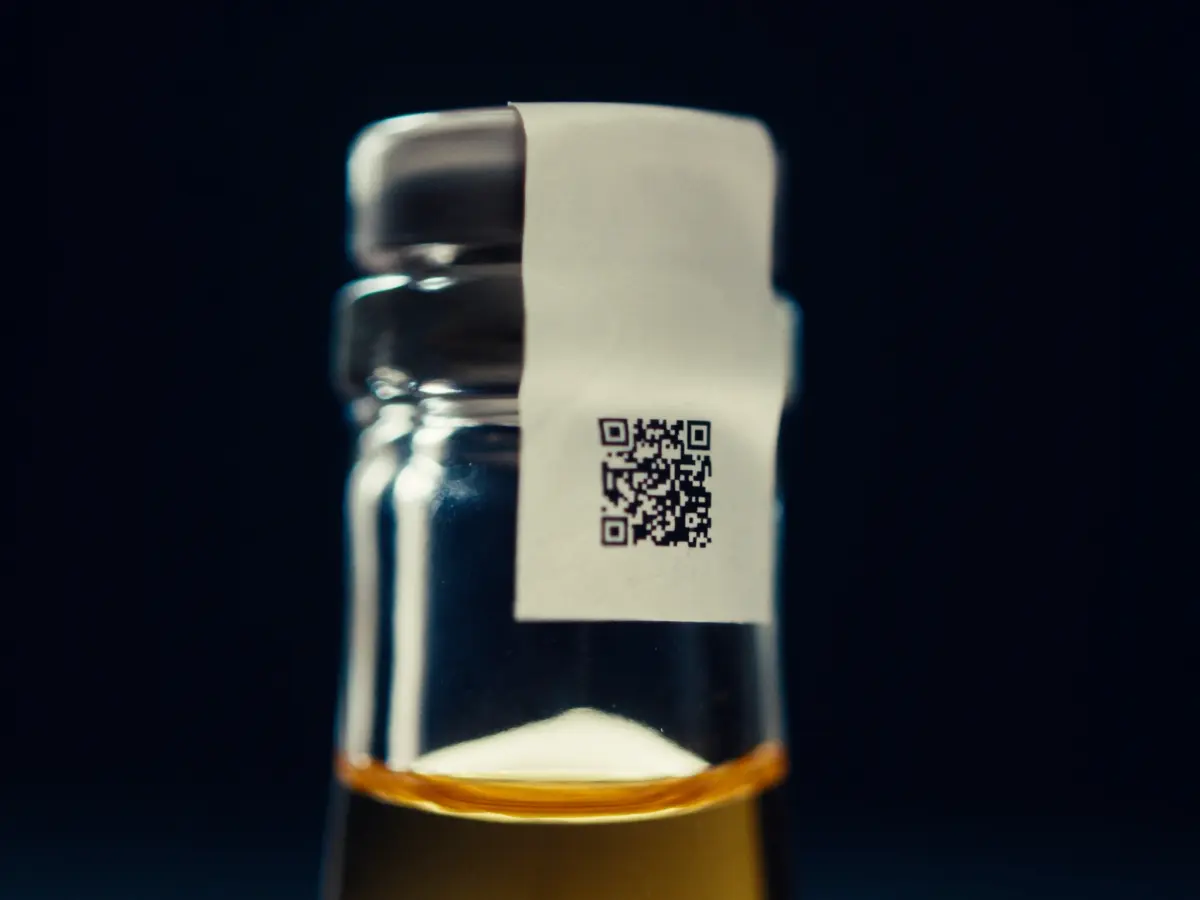
Every bottle or case leaves the line with a unique number; deliveries to the warehouse, distributor, dealer and point of sale are recorded. A product allocated to one market being scanned in another channel makes channel diversion visible. With refilled bottles, a code scanned repeatedly or in unexpected places draws attention.

Alcoholic drinks carry a heavy tax burden, which creates a strong economic incentive for counterfeiting and illicit production. In Türkiye, alcoholic drinks produced domestically and imported are marked with a banderole or a code under the product tracking system operated by the Ministry of Treasury and Finance. That system is aimed at tax security; a brand owner's need to protect the authenticity of its own packaging, its distributor and dealer network and its products in export markets goes beyond it.

Request a meeting

Data

The scale of counterfeit risk.

4.4%

Share of sales lost by the distilled spirits sector in the EU because of counterfeits

Source: EUIPO, The economic cost of IPR infringement in spirits and wine, 2016
2.3%

Share of sales lost to counterfeiting in the EU wine sector, according to the same study

Source: EUIPO, The economic cost of IPR infringement in spirits and wine, 2016
€1.2 billion

Annual public revenue lost to counterfeit drinks in the EU, of which €739 million is excise duty

Source: EUIPO, The economic cost of IPR infringement in spirits and wine, 2016

Risks

Risks in alcoholic beverages.

Adulteration with methanol

The use of methanol in illicitly produced drinks can cause severe poisoning and death. When an adulterated product is sold in the bottle and label of a well-known brand, the first impact of the incident falls on that brand's reputation.

Refilled bottles

Original bottles collected after consumption can be filled with counterfeit contents and put back on the market. Because the bottle, label and cap are genuine, the product may be impossible to tell apart by eye.

Copying labels and boxes

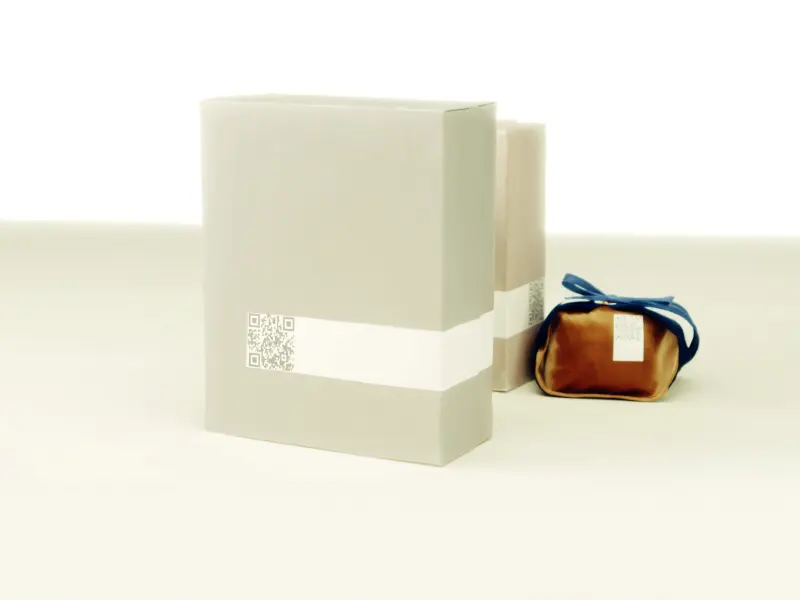
The labels, boxes and gift packaging of well-known brands can be copied at high quality. The statutory banderole is aimed at tax security; a brand also needs to be able to prove the authenticity of its own packaging.

Channel diversion

Products allocated to a particular country, region or duty-free channel can go on sale in other markets. This disrupts the pricing structure and distributor agreements.

Example scenario

A product’s journey from production to verification.

  1. Marking on the filling line

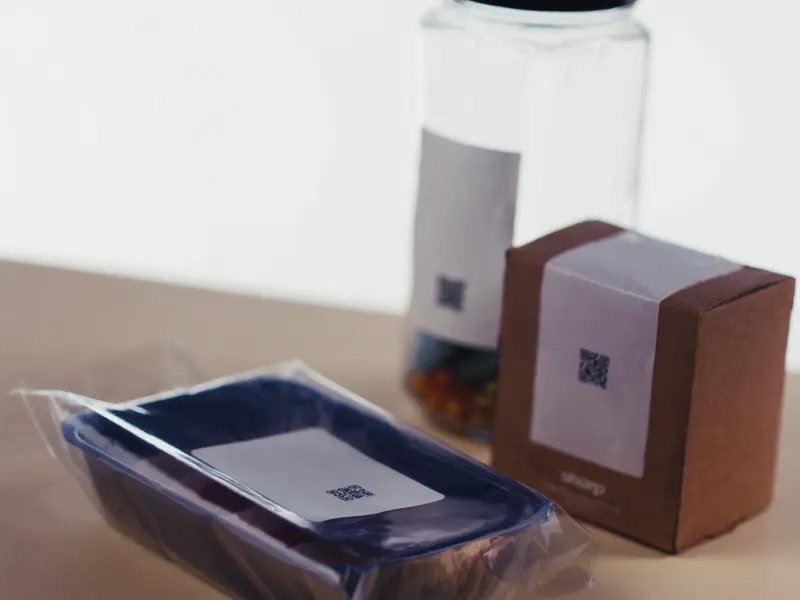
    The bottle is labelled on the existing line with a label carrying the invisible signature; alongside the statutory banderole, a Tagvex number is assigned to every bottle and the line exit is recorded.

  2. Delivery to distributor and dealer

    Cases are scanned on leaving the warehouse and on delivery to the regional distributor; which market and dealer the product is allocated to is recorded.

  3. Goods-in at restaurants and supermarkets

    The restaurant or store manager scans the delivered bottles with the mobile app and confirms their authenticity and channel information.

  4. Verification by the consumer

    The consumer scans the bottle they bought with their phone. If the same code has been scanned somewhere else before, it is flagged as a possible duplicate or refill.

Regulation

Regulations relevant to traceability.

TR

General Communiqué on the Product Tracking System for Tobacco Products, Makaron, Rolling Paper and Alcoholic Drinks

Published in the Official Gazette on 11 September 2020, the communiqué governs the application of a non-counterfeitable banderole to alcoholic drinks and of a code or coded label in lieu of a banderole to beer products, and their activation by transferring the information to the data centre. The system is aimed at tax security and requires production and import records to be kept in order.

Official source
TR

General Communiqué on the Application of Special Consumption Tax List (III)

Requires producers of alcoholic drinks to report banderole information and stock information for banderoled or coded products in the annexes to the SCT return in each declaration period. These reports make it compulsory to keep production and stock movements on record.

Official source

This section is for information only; official sources prevail for current obligations.

FAQ

Questions about alcoholic beverages

Will our label design or filling line change?

No. The invisible signature is worked into the existing label and box design and printed on your existing line. The look of the bottle and the position of the banderole do not change.

How are refilled bottles detected?

The scan history of every bottle numbered at unit level is kept in the records. If the same code is scanned again, or in a different city, after sale, that points to the bottle possibly having been reused.

How do we find out that products allocated to one country are being sold in another market?

Tagvex records show which distributor and market every bottle or case was delivered to. When a product is scanned in another region, this appears in the records and can be traced back to the delivery point concerned.

Can restaurants and consumers verify as well?

Yes. Restaurant and supermarket staff, dealers, consumers and auditors can verify with the mobile app installed on a smartphone. No special reader device is needed.

Meeting request

The right numbering level for your product is set through a needs analysis.

The first meeting reviews your product, sales channels and the risks you face, and recommends a suitable method.

Request a meeting