Serial and batch numbering
Products receive a unique number at batch or unit level as needed; the number fits into the existing label layout.
- Batch or unit level
- Moving from batch to unit later
- Fits your existing label

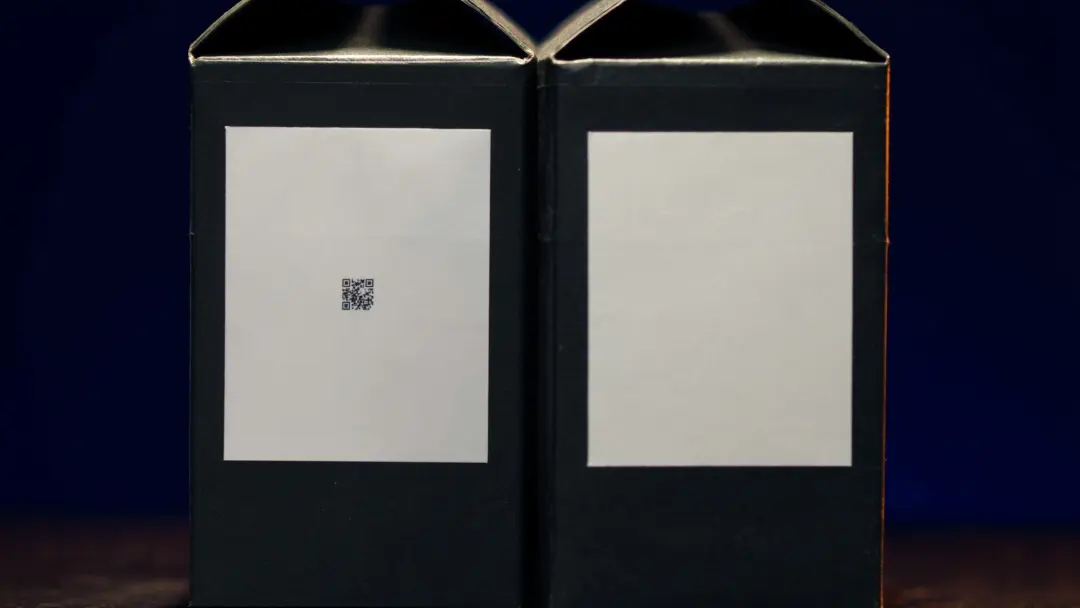
Tagvex develops secure labelling and traceability systems that number products at batch or unit level. Every change of hands is recorded, and the product is verified with the same number.
Solutions
Tagvex is deployed without changing existing processes; scope is set through a needs analysis.
Products receive a unique number at batch or unit level as needed; the number fits into the existing label layout.
Every change of hands at the end of the line, the warehouse, the distributor and the dealer is gathered in a single records infrastructure.
Affected batches and units are identified from the records; unexpected or repeated scans are flagged.
Capabilities
Products receive a unique number at batch or unit level as needed; you can move from batch to unit later.
The label is read as it leaves the production or filling line; the number fits into the existing label layout.
Every change of hands at the warehouse, distributor and dealer is recorded.
When the same code is scanned in an unexpected place or more than once, it is flagged in the record.
Affected batches and units are identified from the records; recalls are run in a narrow scope.
End users verify the product by its number on a smartphone.
The scanning and verification app can be published white label, under your brand's name and look.
Scanning is added to your mobile app with the SDK; records connect to your ERP and warehouse systems through the API.
The system can run in the cloud or be installed on your own infrastructure (on-premise).
Users
End-of-line and shipping scans are recorded.
Goods-in and point-of-sale records match up.
The product is verified by its number; a duplicate code raises an alert.
Benefits
Affected batches and units are identified from the records; the recall is limited to them alone.
A product that leaves its region shows up in the distribution records.
When the same code is scanned in an unexpected place or more than once, it is flagged in the record.
Customers verify the product by its number in the mobile app.
FAQ
At batch level, products in the same batch carry the same number; at unit level, every product has its own. You can move from batch to unit level later.
If the same code is scanned somewhere unexpected or scanned repeatedly, it shows up in the records.
Yes. The number and code are placed into your existing label layout; a separate label is also possible.
Because it is recorded which batch or unit went where, a recall can be limited to the affected products only.
Yes. Tagvex can be delivered as a white-label app published under your brand's name and look. If you already have a mobile app, scanning is added to it with an SDK; records are connected to your ERP, warehouse and other enterprise systems through an API.
Both are possible. Tagvex can run in the cloud; if the records need to stay in your own infrastructure, it is installed on-premise.
Meeting request
The first meeting reviews your product, sales channels and the risks you face, and recommends a suitable method.
Request a meeting