

Blog.
Posts on labelling, traceability, recalls and regulation.
Posts
Unique unit codes vs batch codes: what is the difference?
A batch code is shared by every product in the batch; a unique unit code belongs to one product. When each is enough, and why Tagvex starts at product level.
Read the post
Serial codes and counterfeit detection: when are they enough?
A serial code on its own can be copied. Counterfeits are exposed by the record behind it: first and repeat scans and channel data. Here is where that works.
6 min read
What is channel diversion and how do you detect it?
Channel diversion is genuine product sold outside the region or channel it was shipped to. This guide shows how to detect it from shipping and scan records.
6 min read
What is an SSCC and how do you create a pallet label?
An SSCC is the 18-digit GS1 number that identifies a single pallet or case. This post covers its structure, check digit, GS1-128 dimensions and label placement.
5 min read
What is GS1 Digital Link? GTIN, batch and serial number in a QR code
GS1 Digital Link writes the GTIN and the batch or serial number into a web address. This post covers the address structure, resolvers and checkout rules.
6 min read
GS1 Application Identifiers: what do (01), (10), (17) and (21) mean?
The numbers in brackets under a barcode are GS1 Application Identifiers. This post covers the common ones, fields that need a separator, dates and ordering.
6 min read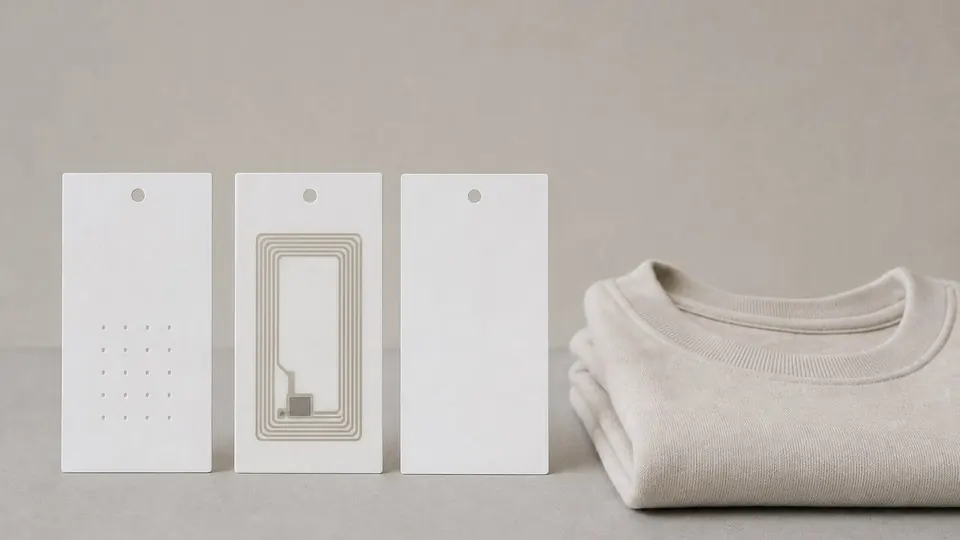
The data carrier for the digital product passport: QR code, DataMatrix or RFID?
A digital product passport is reached through a data carrier. This post covers what ESPR and EN 18220 require and when to use QR, DataMatrix or RFID.
6 min read
Product verification by QR code without an app: what should the consumer see?
When a consumer verifies a product by QR code without an app, the result screen must separate four states. This post also covers common mistakes and limits.
5 min read
EPCIS 2.0 explained: a standard way to share production, shipping and receiving events
EPCIS 2.0 is the GS1 standard for capturing and sharing supply chain events. This post covers event types, the five dimensions, JSON and REST, and its limits.
5 min read
How does the product recall process work? Rules and steps
Recalls under Turkish Law No. 7223 and the EU General Product Safety Regulation: definitions, notice content, consumer remedies and where batch records fit in.
5 min read
Warranty fraud and serial numbers: telling a false claim from a grey-market device
In a warranty claim, a serial number helps separate false documents, moved numbers and grey devices. This post sets out a check sequence for the service desk.
5 min read
How do you set up a product tracking system? Batch and unit-level records
The decisions behind a product tracking system: batch or unit, getting the number onto the label, scan points, the custody record and a recall drill.
5 min readHow does product verification by serial number work?
What happens behind the scenes when you scan a QR code or serial number, how a copied code shows up in the scan history and how far you can trust the result.
4 min read
How to keep an account of your labels
Measuring the gap between labels printed and applied: roll identity, waste and destruction records, per-shift reconciliation and a plant-specific threshold.
3 min read
How to shorten your recall time
The batch boundary sets a recall's scope. Narrowing it with unit, pallet and shipping records, showing codes as recalled in the field and counting returns.
3 min read
How to spot grey market diversion
Grey market diversion shows in the gap between the market a code was shipped to and where it was scanned. How to track it with two records and a threshold.
3 min readDigital product passport: start collecting the data today
Data you can collect today for the digital product passport: batch or unit identity, production records, supplier documents, and bringing them into one source.
3 min readMeeting request
The right numbering level for your product is set through a needs analysis.
The first meeting reviews your product, sales channels and the risks you face, and recommends a suitable method.
Request a meeting