Transfers to unauthorised sellers
Pieces supplied to an authorised retailer are passed in bulk to stores or online sellers outside the contract. The point of sale falls outside brand standards and pricing breaks down.


For a luxury brand, a genuine product sold through the wrong door is also a problem. Tagvex records which boutique or authorised retailer each piece was handed to.
Implementation
Tagvex gives every product a unit-level number, placed on the inside label, the warranty card or the box. A piece scanned at workshop or import exit, at the central warehouse and when a boutique or authorised retailer receives it is recorded along with who it was entrusted to. A number scanned at a store that is not on the authorised list, or in another country, lands in the report. A second-hand buyer scanning the product with a phone camera sees whether the number matches the brand’s records and whether it has been read elsewhere within a short time.
Distribution of luxury goods is kept narrow on purpose. The brand sells through its own boutiques and contracted authorised retailers, and end-of-season and outlet stock are handled separately. The grey market lives in the gaps of that system. Collection pieces given to an authorised retailer are passed on to unauthorised stores or other countries, and counterfeits are sold with the warranty card and serial number of a genuine item. In both cases the question is the same, and the answer is the last authorised point where the number was recorded.
Request a meeting
Risks
Pieces supplied to an authorised retailer are passed in bulk to stores or online sellers outside the contract. The point of sale falls outside brand standards and pricing breaks down.
Counterfeits are sold with a serial number and warranty card copied from a genuine piece. The same number being scanned in two distant places within a short time opens a detection as a suspected copy.
Stock set aside for outlets or staff sales ends up in full-price stores or abroad. If those lots are not marked separately, the diversion stays invisible.
For pieces moved between boutiques or sent on consignment, losses and returns become disputed when nobody knows who held the item last.
Example scenario
Every piece gets a unit number, written to the inside label, warranty card and box at the same time and scanned on exit.
Boutiques and authorised retailers scan each piece on receipt. Inter-boutique transfers and consignment shipments are recorded under the same number.
The sales associate scans the product at sale, and the sale is recorded with the number and the store.
The customer or a second-hand buyer scans the product with a phone. Items sold outside an authorised store, or whose number has been read elsewhere, are flagged.
Regulation
Introduces a digital product passport for selected product groups, accessed through a data carrier on the product. According to the Commission’s indicative timeline, rules for textiles, tyres and aluminium are planned for 2027 and for furniture in 2028.
This section is for information only; official sources prevail for current obligations.
FAQ
Counterfeit bags can be sold under the number of a genuine item. The person scanning sees whether the number matches the brand’s records, while the brand sees in the record which boutique received the number and where it has been scanned. The same number being read in distant places within a short time raises suspicion of a copy.
Every piece is recorded with the authorised retailer that received it. When the item is scanned at an unauthorised store or in another country, the report shows the last point where the number was recorded.
Yes. Scanning the number with a phone camera opens a page in the browser showing whether it matches the brand’s records; if the code has been read elsewhere within a short time, the page says so. The brand decides what information the buyer sees.
No. The number goes on the inside label, the warranty card or the box, and does not need to be visible on the outside of the product.
Other industries
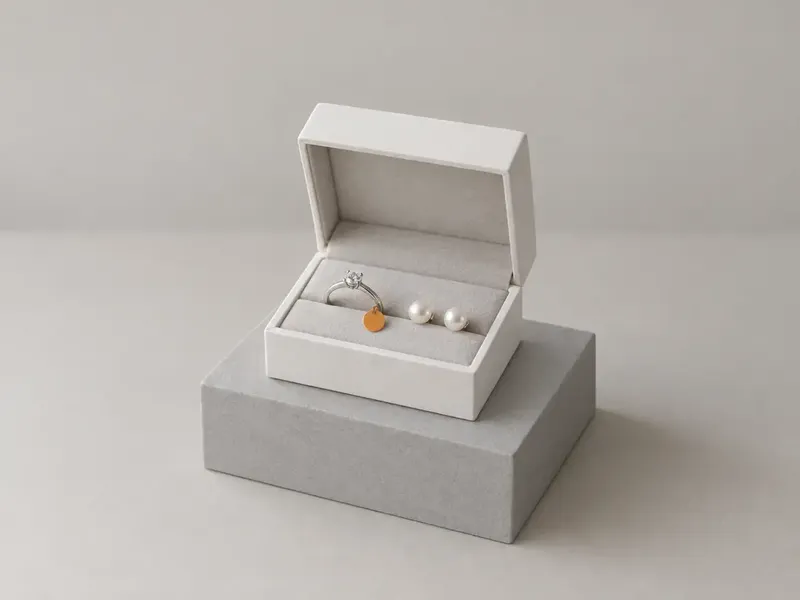 JewelleryUnit numbers on jewellery pieces and certificates, recording consignment, trade fair and display moves.
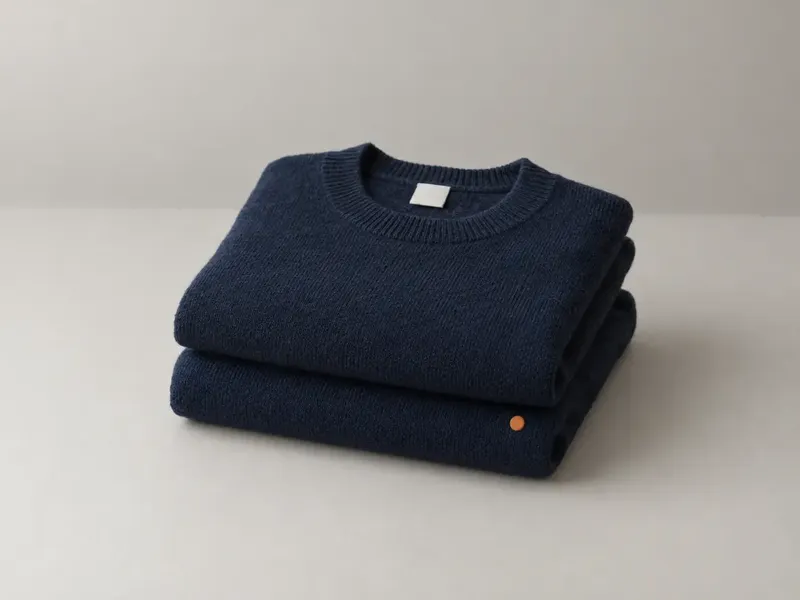 Textile and apparelNumbered hang tags from subcontractor workshop to store, with overproduction checks.
 Cosmetics and personal careNumbered labels linking cosmetic batch numbers to cases, distributors and salon deliveries.
Meeting request
The first meeting reviews your product, sales channels and the risks you face, and recommends a suitable method.
Request a meeting