Undeclared points of sale
Cases shipped for pharmacies or authorised resellers reach gyms and unregistered outlets via a second wholesaler. Storage conditions and expiry tracking slip out of the brand’s hands at that point.


Turkish rules list where food supplements may be sold and require operators to identify their points of sale. Tagvex records which pharmacy, store or direct seller each batch went to.
Implementation
The Tagvex number is added to the box or bottle label and the case at unit or batch level. Cases leaving the production or import warehouse are scanned when a pharmaceutical wholesaler, pharmacy, sports nutrition store or contracted direct seller receives them. A product scanned outside the registered buyers, or in a region it was not assigned to, appears in the report with the buyer it came from. When a consumer scans the code with a phone camera, a page opens in the browser showing whether the box matches the brand’s records and whether the code has been read elsewhere within a short time.
In Türkiye, food supplements are placed on the market with approval from the Ministry of Agriculture and Forestry. The regulation allows them to be sold at the manufacturer’s or importer’s own outlets, at businesses it supplies, at wholesale depots, at declared web addresses and through contracted direct sellers, and it requires the operator to identify the places where it sells. That boundary is clear on paper but blurs once a product passes from one wholesaler to a second. When a box turns up on a gym counter or a market stall, which batch and which buyer it came from is unknown without a case record.
Request a meeting
Risks
Cases shipped for pharmacies or authorised resellers reach gyms and unregistered outlets via a second wholesaler. Storage conditions and expiry tracking slip out of the brand’s hands at that point.
The box and label of a best-selling product can be copied and filled with something else. A code copied from a genuine box may look valid on the first scan, but every scan is recorded, and the same code being read in other places or repeatedly within a short time opens a detection.
If a batch is found to contain less than the labelled amount or a non-permitted ingredient, the Ministry may order a recall. When the list of pharmacies and stores that received the batch is not at hand, the recall is delayed.
Stock close to its expiry date is passed to discount channels and can return from there to regular shelves. Recording each number with its date makes that return visible.
Example scenario
The number is added to the box or bottle label; each case is scanned at line exit and linked to the batch and expiry date.
When cases leave the warehouse, the receiving business is recorded, with pharmacies, stores, wholesalers and direct sellers marked separately.
The buyer scans the case on receipt. If a case shipped to that buyer is later scanned somewhere else, an alert is raised.
The consumer scans the code with a phone camera and sees the result on a page that opens in the browser. When a recall is needed, the buyers who received the batch are listed; notifications to the Ministry are handled separately.
Regulation
Article 13 lists the outlets where supplements may be offered for sale. Article 14 requires operators to set up a traceability system, verify that it works and identify the places where they sell the product.
Food supplements must be approved by the Ministry of Agriculture and Forestry. A Tagvex check does not show whether a product is approved; it shows that the box is a registered product of the brand and the route it took.
This section is for information only; official sources prevail for current obligations.
FAQ
Under the regulation, at the manufacturer’s or importer’s own outlets, at businesses it supplies, at wholesale depots, at declared web addresses and through contracted direct sellers. Tagvex records which of those buyers each batch went to.
Scanning the code shows whether the box matches the brand’s records and whether the code has been read elsewhere within a short time. Whether the contents match the label can only be established by laboratory analysis.
Every case is recorded with the buyer it was shipped to. When the product is scanned in another region or at an unregistered outlet, the report shows which buyer the case came from.
Querying the batch number lists which buyers received cases from that batch and on which dates. In consumer scans, the product shows as part of a recalled batch.
Other industries
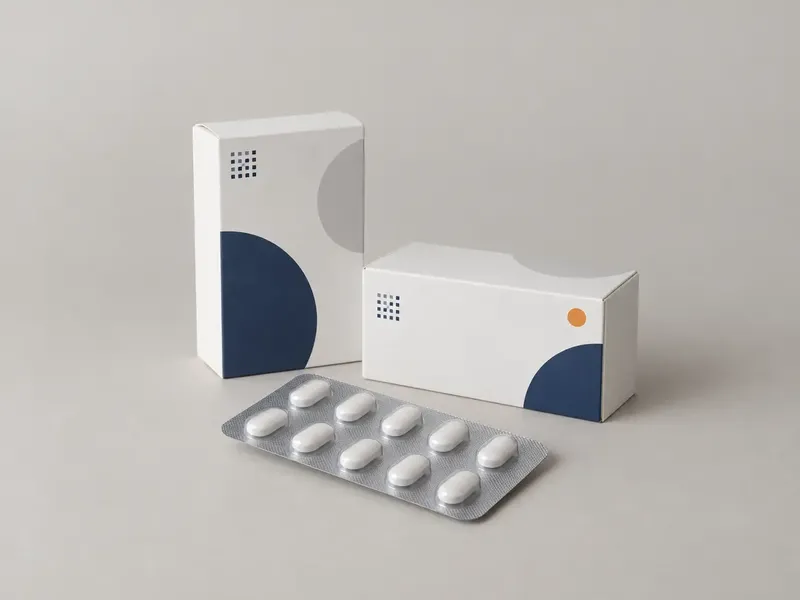 PharmaceuticalsCase and pallet records for export and tender shipments, where the İTS data matrix stops.
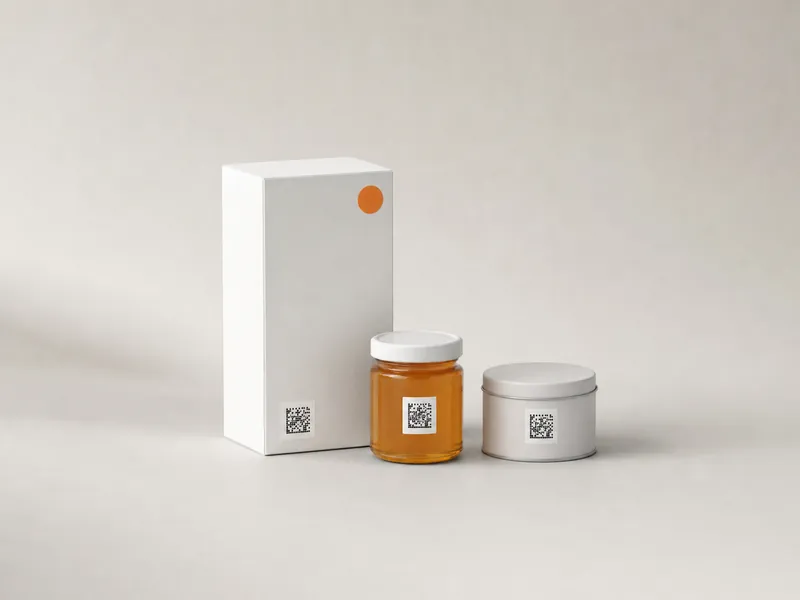 Food and beverageNumbered labels that tie food batches to cases and stores, so recalls stay narrow.
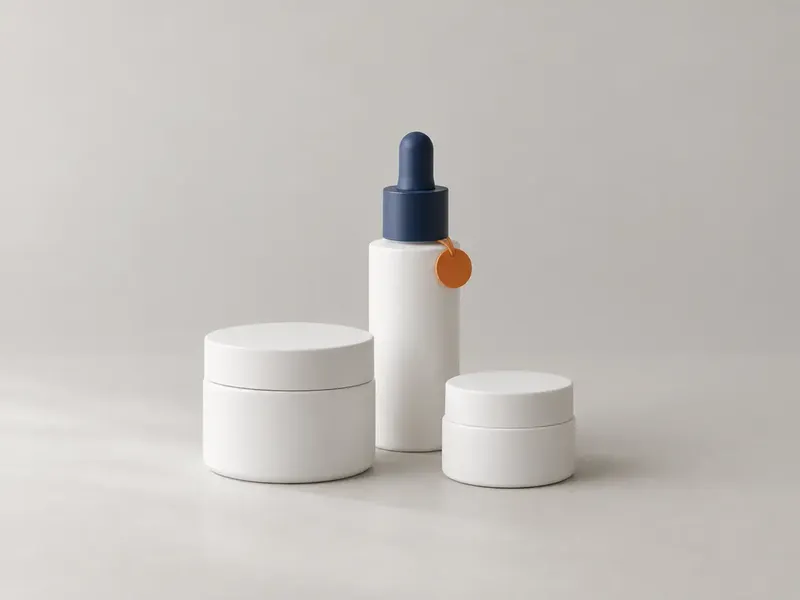 Cosmetics and personal careNumbered labels linking cosmetic batch numbers to cases, distributors and salon deliveries.
Meeting request
The first meeting reviews your product, sales channels and the risks you face, and recommends a suitable method.
Request a meeting