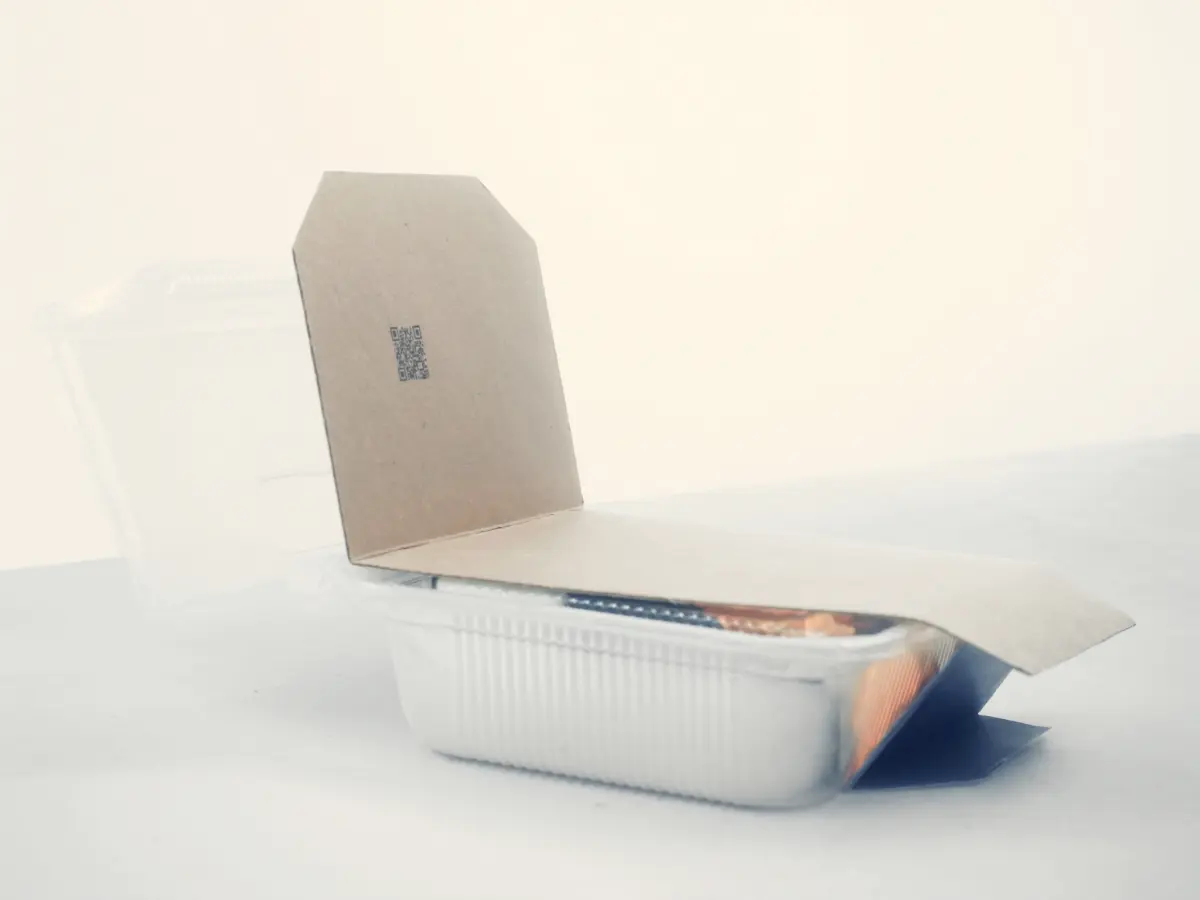
Traceable trust in food and beverage.

Recalls, channel control and counterfeits: the priorities for food and beverage producers.

Implementation

Tagvex in food and beverage.

A number at batch or unit level records the product's exit from the line, entry to the warehouse and delivery to the distributor and the store. When a problem arises in a batch, the records show which points it reached and the recall scope is set accordingly. Codes scanned in an unexpected location or scanned repeatedly point to possible duplication.

In food and beverage, a product's value often comes from its contents, its origin and the way it was made. In categories such as olive oil, honey, cheese, meat products and spices, blending in a cheaper ingredient or leaving out an essential characteristic is something you cannot see from the packaging and that misleads the consumer. In Türkiye, the Ministry of Agriculture and Forestry publishes foods confirmed by laboratory results to be imitated or adulterated, together with the company, brand and batch information.

Request a meeting

Data

The scale of counterfeit risk.

15%

Share of the 130 olive oil notifications in the EU in 2024 classified as confirmed cross-border fraud

Source: Avrupa Komisyonu, Alert and Cooperation Network 2024 Annual Report
17%

Rate of non-compliance found in olive oil label checks in the EU in 2023

Source: Avrupa Komisyonu, Alert and Cooperation Network 2024 Annual Report
10,490

Total number of notifications created in the EU Alert and Cooperation Network (ACN) in 2025

Source: Avrupa Komisyonu, Alert and Cooperation Network 2025 Annual Report

Risks

Risks in food and beverage.

Adulteration and changes to contents

In the Ministry's definition, adding a substance that does not carry the same value, or removing the elements that give a product its essential character, counts as adulteration. Presenting other oils as olive oil, or reducing the fat content in butter, are well-known examples.

Imitation of brand packaging

The packaging of a well-known brand can be copied and filled with a low-quality product. The consumer is misled, and the brand faces the consequences of a product it did not make.

Uncertainty in recalls

When a problem is found in a batch, if you do not know which warehouse, dealer and store it went to, the recall ends up either wider than necessary or incomplete. That creates risk both in cost and in consumer trust.

Unauthorised and online sales

Products can go on sale through unauthorised sellers, social media accounts and marketplaces with no knowledge of how they were stored. For products that need a cold chain, this can turn into a food safety problem.

Example scenario

A product’s journey from production to verification.

  1. Filling and packing

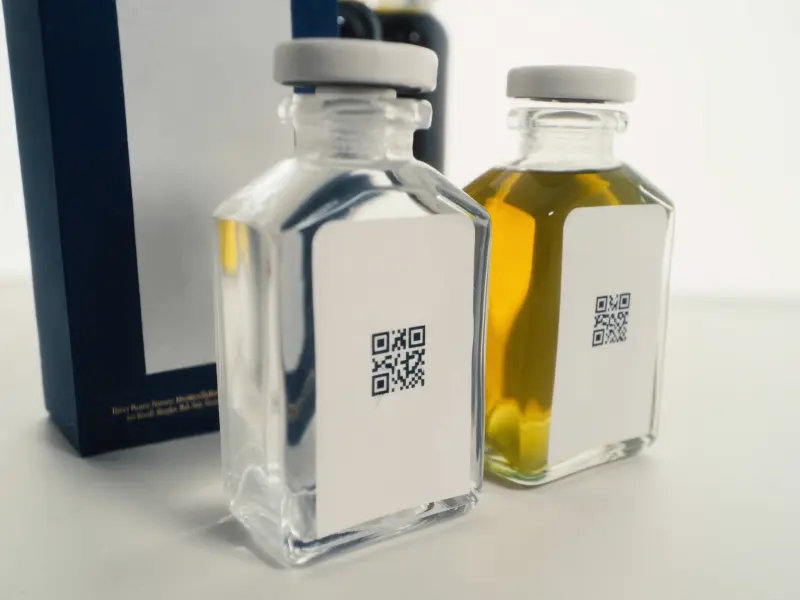
    Olive oil is bottled on the existing line with a label carrying the invisible signature; every case enters the line exit record with its batch number.

  2. Warehouse and regional distribution

    Cases are scanned on entry to the warehouse and on delivery to the regional distributor; which batch went to which dealer is recorded.

  3. Check at the supermarket shelf

    The store manager scans the delivered product with the mobile app and sees that it is genuine and that the batch came through the right channel.

  4. Verification by the consumer

    The consumer scans the bottle with their phone and confirms the product belongs to the brand. In the event of a recall, the sales points the batch reached are identified from the records.

Regulation

Regulations relevant to traceability.

TR

List of imitated or adulterated foods

Under Article 31(6) of Law No. 5996, the name of the company that produced or imported a food confirmed by laboratory results to be imitated or adulterated, along with the product name, brand and batch and/or serial number, is published by the Ministry. Because the announcement is made at batch level, it matters that businesses can tell their own batches apart reliably.

Official source
EU

General Food Law Regulation (EC) 178/2002, Article 18

Requires food business operators to be able to identify the supplier they obtained a product from and the businesses they supplied it to, and to label or identify food placed on the market in a way that facilitates traceability. This "one step back, one step forward" principle is the basis of food traceability in the EU market.

Official source
EU

EU Agri-Food Fraud Network (FFN)

Since 2013 it has brought together the liaison bodies of the European Commission, the member states, Switzerland, Norway and Iceland to share information and cooperate on cross-border food fraud cases. The network's coordinated actions in areas such as honey, spices and food sold online indicate where the risk lies in these product groups.

Official source

This section is for information only; official sources prevail for current obligations.

FAQ

Questions about food and beverage

Do we need to change our packaging design or our filling line?

No. The invisible signature is worked into the existing packaging design and the packaging is printed on your existing line. How the product looks on the shelf does not change.

Should we number at batch level or unit level?

Tagvex supports both. Unit level suits high-value products and those exposed to counterfeiting; batch or case level suits fast-moving products. The choice is made during the needs analysis according to the product's risk level and the structure of the line.

How does it help with a recall?

Because every change of hands is recorded, you can see from the records which warehouses, distributors and stores the affected batch reached. The scope of the recall then rests on records rather than estimates.

How does a consumer carry out a verification?

The consumer scans the packaging with the mobile app on their smartphone and sees the result immediately. No special device or authorisation is needed; supermarket staff, dealers and auditors can do the same.

Meeting request

The right numbering level for your product is set through a needs analysis.

The first meeting reviews your product, sales channels and the risks you face, and recommends a suitable method.

Request a meeting