Counterfeit parts fitted during maintenance
Filters, seals, bearings and belts can be sold in copies of the original box. A copied part can lower the machine’s performance and safety, and the failure can end up on the manufacturer’s account.

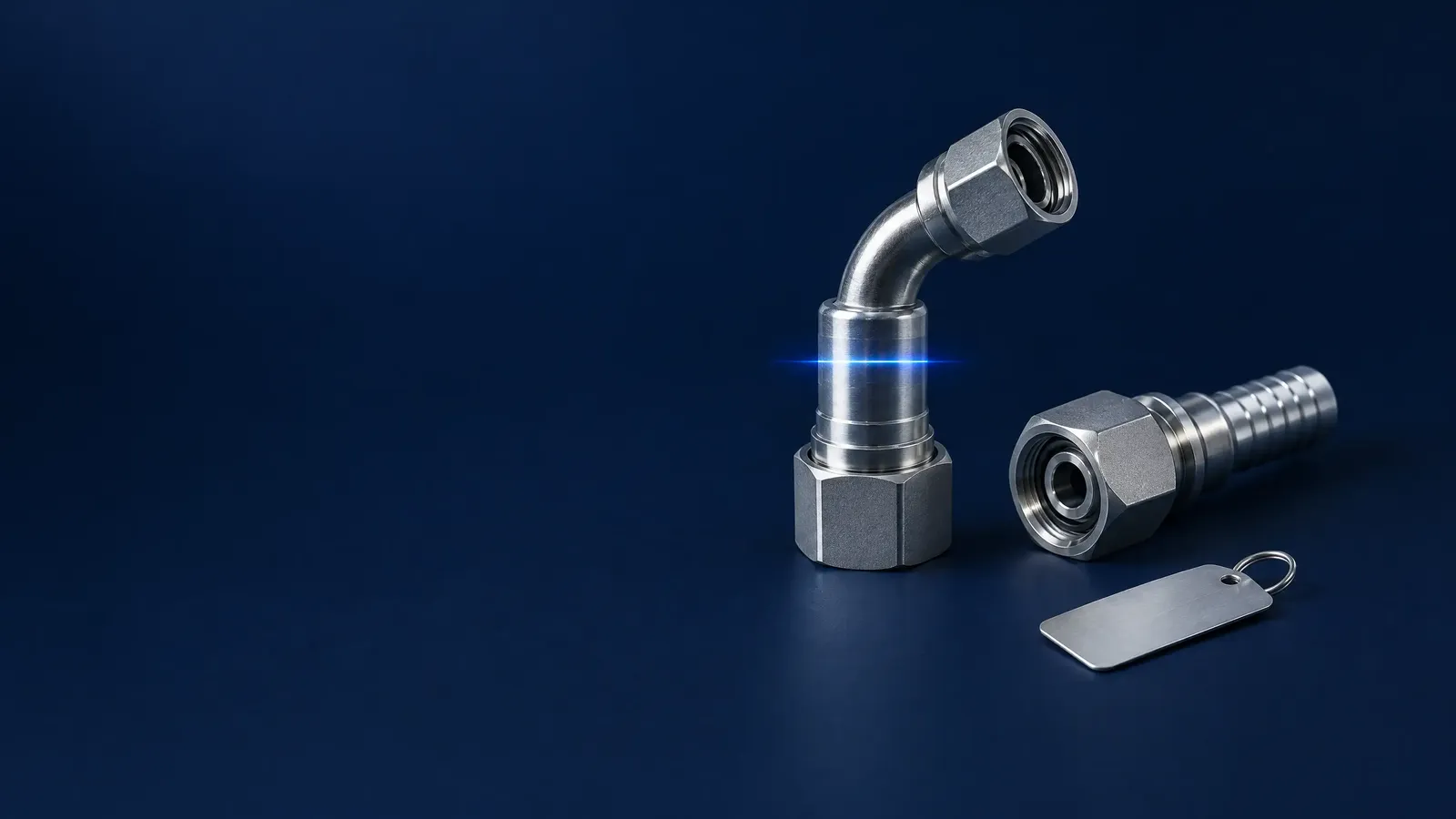
Whether a filter or seal fitted during maintenance was genuine is usually asked after something breaks. Tagvex records which dealer the part came from and which machine it went into at the time it happens.
Implementation
Tagvex applies numbered labels to spare parts, consumables and cases at unit or batch level. A part scanned at factory exit, at the regional warehouse and at the authorised dealer is scanned again by the service technician on site and linked to the machine’s serial number. If the same number appears to be installed at a second plant, or a part with no dealer record turns up in a warranty claim, the record flags it. For a defective batch, it lists which customer’s machine each part is fitted to.
In industrial equipment, counterfeit parts can come in during maintenance. A hydraulic filter, a bearing or a safety valve can arrive in a copy of the original box; the technician fits it, and if nobody writes down where it was bought, its source cannot be found later. After a breakdown or an accident, the argument between manufacturer, dealer and operator can come back to the source of that part. Turkish Law No. 7223 requires economic operators to keep records of the previous and, where there is one, the next operator in the supply chain for at least ten years, and in the EU the Machinery Regulation (EU) 2023/1230 becomes mandatory on 20 January 2027.
Request a meeting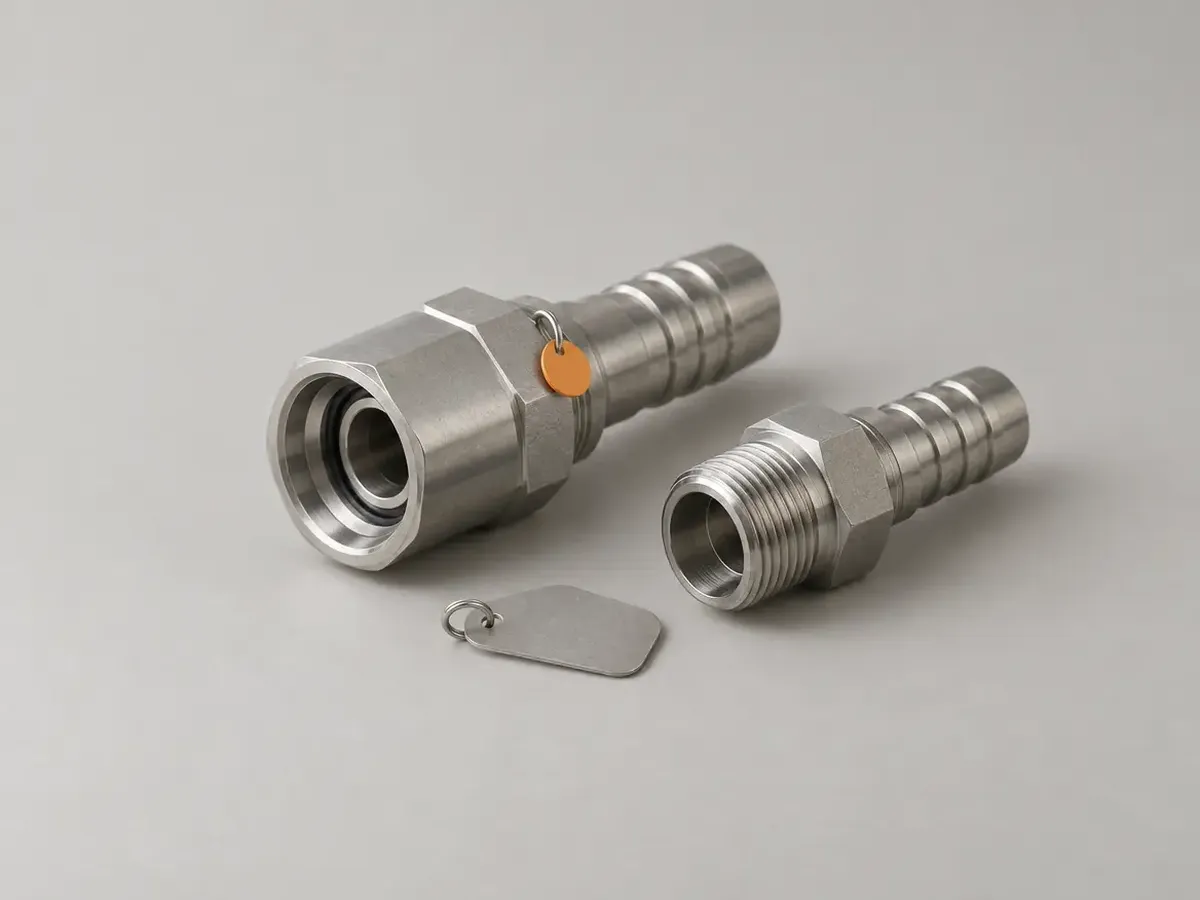
Data
Date from which the Machinery Regulation (EU) 2023/1230 applies on a mandatory basis
Source: European Commission, Machinery page, 2026Risks
Filters, seals, bearings and belts can be sold in copies of the original box. A copied part can lower the machine’s performance and safety, and the failure can end up on the manufacturer’s account.
Parts given to one regional dealer at project prices can appear at plants in other dealers’ territories. If the part number is not recorded against the dealer it was shipped to, the source of the sale cannot be found.
When nobody can prove the fitted part came through the authorised channel, warranty disputes drag on. A record of the installation date and machine serial number answers the question.
When a casting or material defect is discovered later and nobody knows which plants and machines have the affected parts, the only option is a general notice to every customer.
Example scenario
The part and its case leave with a numbered label, and batch, production date and line data are tied to the number.
The warehouse scans on dispatch and the dealer on receipt, so you can see which numbers sit in which dealer’s stock.
Before fitting the part, the technician scans it with the mobile app and enters the machine serial number. A number already recorded on another machine, or one from outside the channel, triggers an alert at that moment.
On a warranty claim, the part’s installation record is pulled up. When a defective batch is found, the affected machines and their owners are listed.
Regulation
Updates the safety and conformity rules for placing machinery on the EU market and sets the conditions for providing instructions and the declaration of conformity in digital form. It applies on a mandatory basis from 20 January 2027.
Requires economic operators to record the previous and, where there is one, the next operator in the supply chain, keep that record for at least ten years and present it to the competent authority on request.
This section is for information only; official sources prevail for current obligations.
FAQ
Scan the numbered label on the part with the mobile app to see which factory and dealer it came from and whether it has already been fitted to a machine. A copied number raises an alert on its second scan.
Yes. The technician scans the part during installation and adds the machine serial to the record, so you can later look up which part went into which machine and when.
For seals and belts, batch level is usually enough. Unit level is chosen for safety-related or high-value parts.
Every number is recorded against the dealer it was shipped to. When the part is scanned at a plant in another dealer’s territory, the report shows which dealer it came from.
Yes. If records must not leave the site, the system is installed on your own infrastructure (on-premise); a cloud version is also available.
Other industries
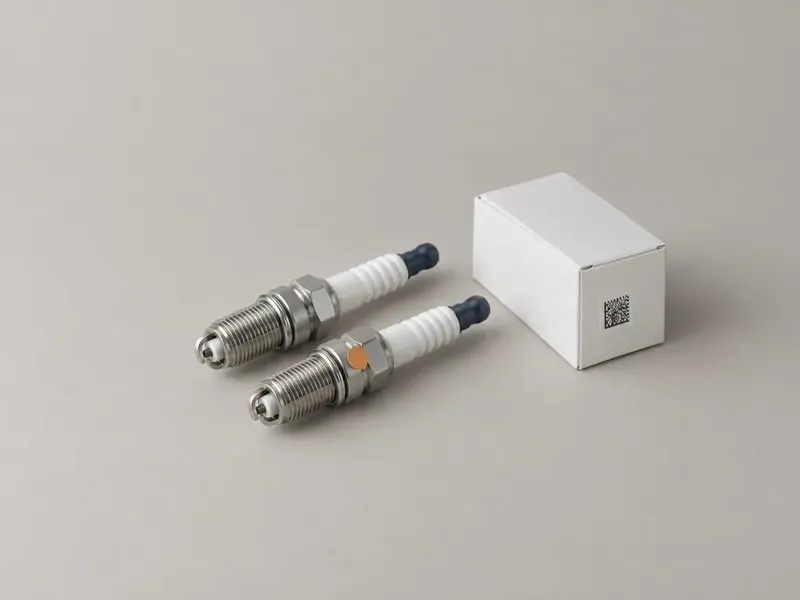 Automotive spare partsNumbered labels on brake pads, filters and batteries, with a workshop fitting record.
 ElectronicsNumbered labels linking a device serial number to its box, distributor and warranty record.
 Food and beverageNumbered labels that tie food batches to cases and stores, so recalls stay narrow.
Meeting request
The first meeting reviews your product, sales channels and the risks you face, and recommends a suitable method.
Request a meeting