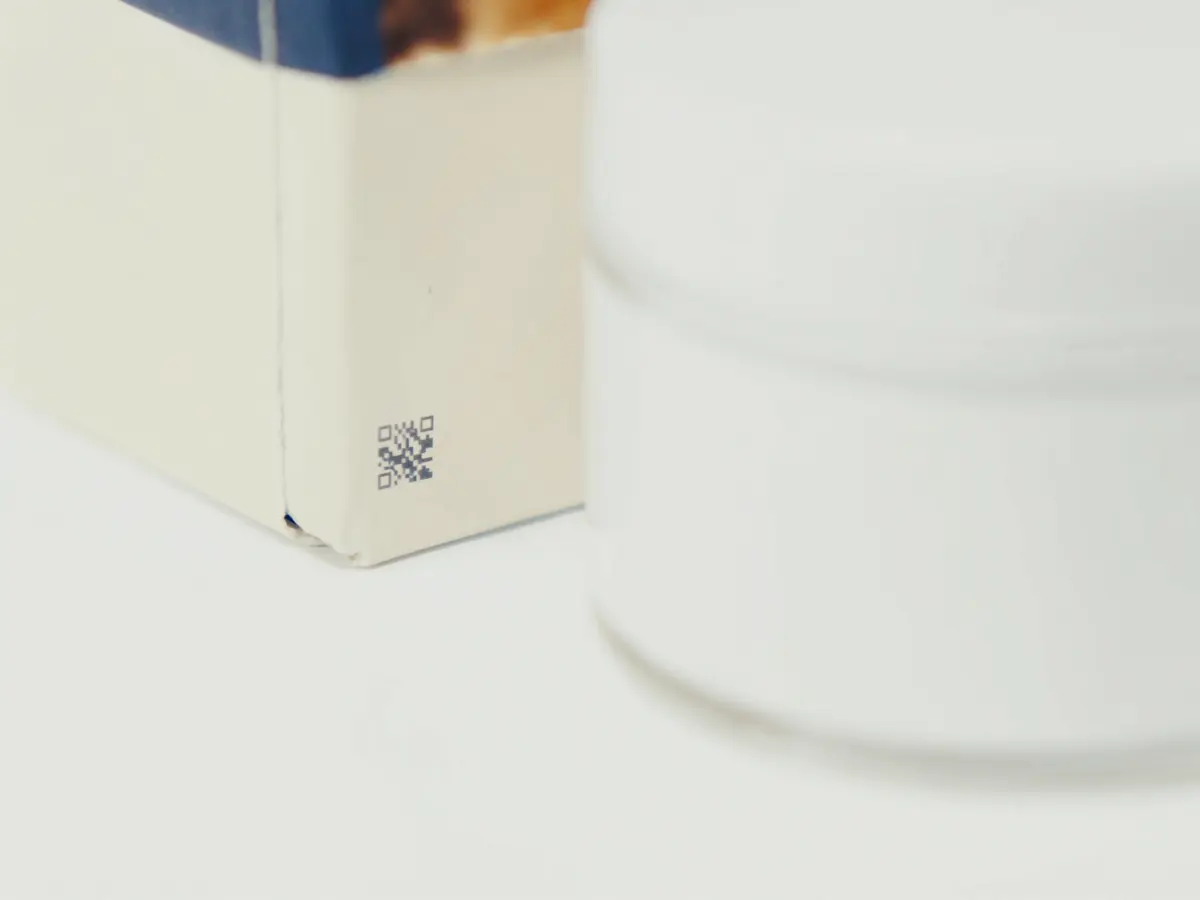
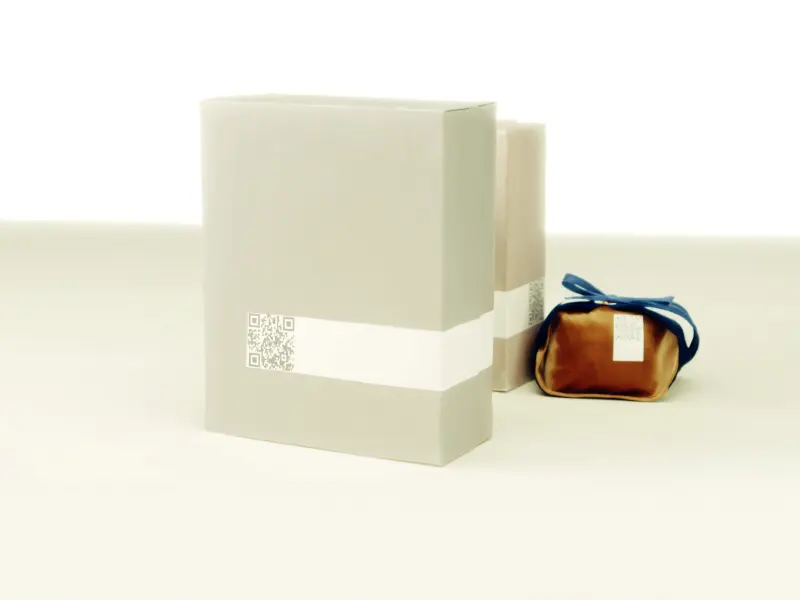
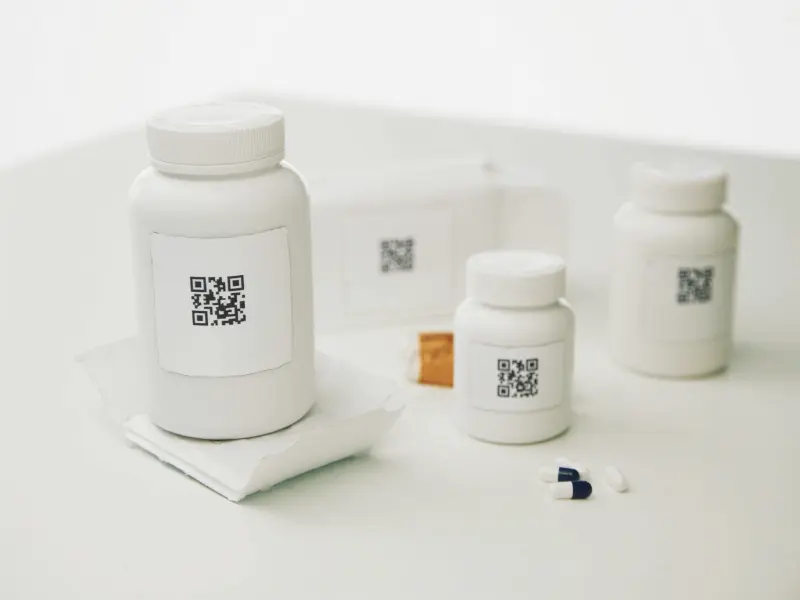
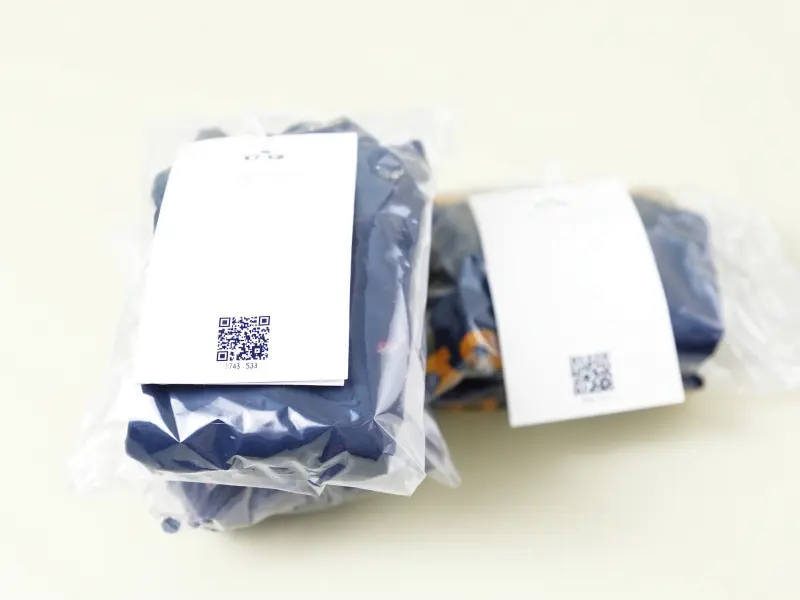
Proof of the genuine product in cosmetics.

Counterfeit packaging, unauthorised online sales and channel diversion: the risks cosmetics brands meet most often.

Implementation

Tagvex in cosmetics and personal care.

Every batch or every unit carries a unique number; the product's exit from the line, entry to the warehouse and delivery to the distributor and the store are recorded. That makes it possible to see from the records when a product allocated to a particular region or channel goes on sale somewhere else. A duplicated code becomes visible when it is scanned in an unexpected location or scanned repeatedly.

Cosmetics and personal care products are applied directly to the skin, hair and mouth, so knowing their contents and the conditions they were made in matters for consumer health. High-value products such as perfume, make-up and skincare are among the groups counterfeiters target most often, because their packaging is easy to copy. A counterfeit may be indistinguishable from the original on the shelf; the problem is usually noticed only after the product has been used, through a skin reaction or a consumer complaint.

Request a meeting

Data

The scale of counterfeit risk.

7.8%

Share of sales lost by the cosmetics and personal care sector in the EU because of counterfeits

Source: EUIPO, The economic cost of IPR infringement in the cosmetics and personal care sector, 2015
€4.7 billion

Estimated annual revenue lost by legitimate manufacturers in the EU, according to the same study

Source: EUIPO, The economic cost of IPR infringement in the cosmetics and personal care sector, 2015
4.7%

Estimated share of counterfeit and pirated goods in EU imports in 2021

Source: OECD and EUIPO, Mapping Global Trade in Fakes 2025, 2025

Risks

Risks in cosmetics and personal care.

Exact copies of the packaging

Boxes, bottles and label printing can be copied quickly with today's printing capabilities. A consumer, and even sales staff, may not be able to tell a counterfeit on the shelf by eye. Complaints caused by these products, whose contents and place of manufacture are unknown, are directed at the original brand.

Refilled packaging

Used original perfume and skincare bottles can be collected, filled with different contents and put back on sale. Because the bottle and cap are genuine, the product looks flawless. This affects both consumer health and brand reputation directly.

Marketplace and social media listings

Discounted listings using images of the original product are used to sell counterfeits or products past their shelf life. When a listing is removed, new ones can appear from different accounts within a short time.

Channel diversion and parallel sales

Products allocated to a particular market, pharmacy or professional channel can go on sale in other regions and at unauthorised points. This disrupts pricing policy and removes any control over the conditions in which the product is stored.

Regulation

Regulations relevant to traceability.

EU

Cosmetic Products Regulation (EC) 1223/2009

Requires a responsible person established in the EU for every cosmetic product placed on the EU market, electronic notification before the product is placed on the market, and a batch number or a reference identifying the product on the label. Having batch information on the product forms the basis of traceability in recalls and complaint investigations.

Official source
TR

Cosmetics Law No. 5324 and the Cosmetic Products Regulation: ÜTS notification

In Türkiye, cosmetic products must be notified to the Ministry of Health before they are placed on the market for the first time; the responsible person files the notification with TİTCK through the Product Tracking System (ÜTS), together with the product's original label. This record is the primary source consulted when identifying which responsible person a product on the market belongs to.

Official source

This section is for information only; official sources prevail for current obligations.

FAQ

Questions about cosmetics and personal care

Does the invisible signature change our packaging design or our print line?

No. The signature is worked into the existing packaging design and the packaging is printed on your existing line. How the product looks on the shelf does not change.

Who can carry out a verification?

Company staff, dealers, store and pharmacy personnel, consumers and auditors can verify with the mobile app installed on a smartphone. No special reader device and no separate authorisation is needed.

How are original bottles that have been collected and refilled detected?

If the code of a product numbered at unit level with Tagvex is scanned repeatedly or in different places after the first sale, this shows up in the records. That makes refilled packaging returning to the market easier to notice.

Meeting request

The right numbering level for your product is set through a needs analysis.

The first meeting reviews your product, sales channels and the risks you face, and recommends a suitable method.

Request a meeting