Electronics serial numbers, boxes and warranty records

A device serial number on its own does not say where the device came from. Tagvex ties it to the box, the case and every handover, so warranty and return claims can be checked against that record.

Implementation

Tagvex in electronics.

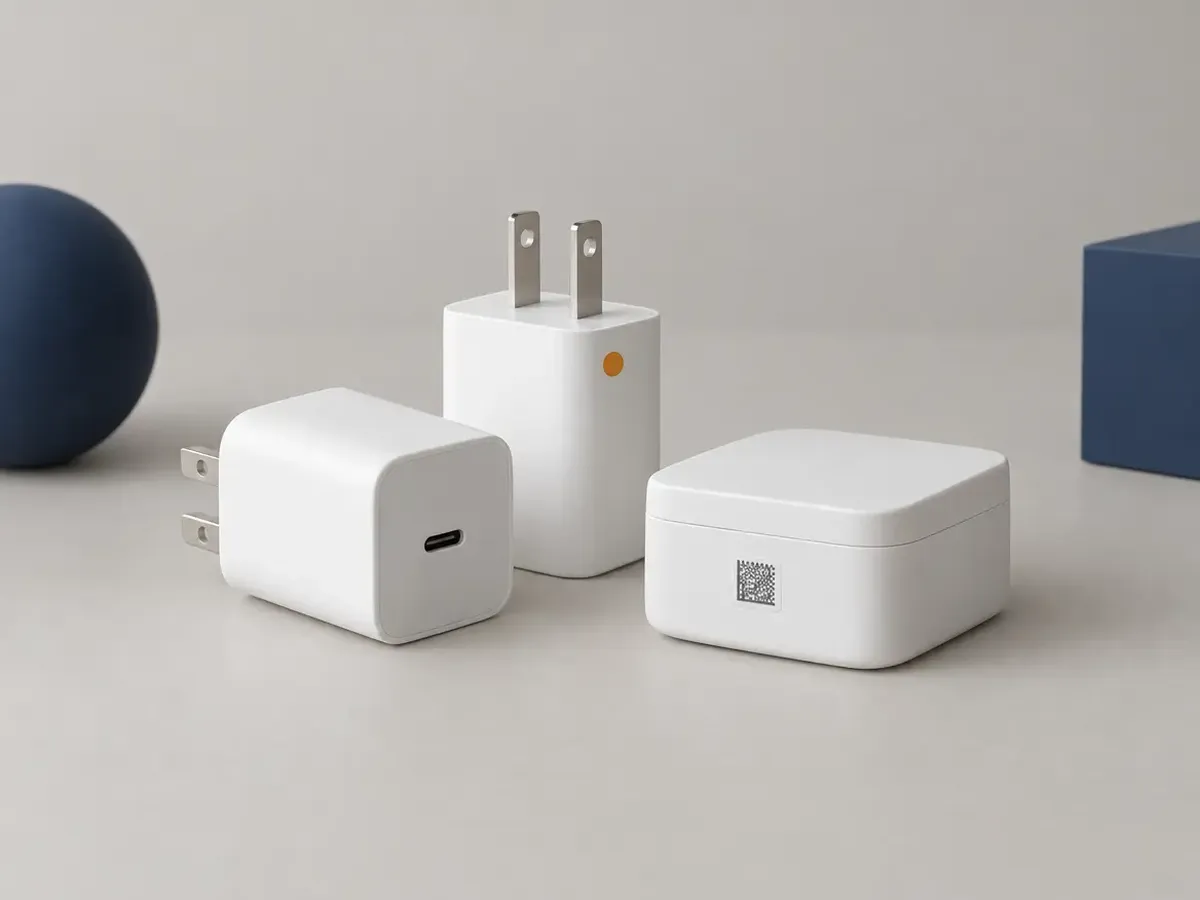
The Tagvex label is applied to the retail box and the case, and linked to the device’s own serial number at line exit or on import receipt. The importer’s warehouse, the distributor and the reseller scan boxes as they receive them, so a device that came in outside the official channel is simply not in the record. On a warranty or return claim, the box number and the device serial are checked together, which exposes a swapped box or a device being returned for the second time. Chargers, batteries and cables can be added to the same record at unit or batch level.

In electronics, a brand’s trouble does not only come from counterfeit devices; genuine devices arriving by the wrong route cause just as much. Grey imports can be sold outside the official warranty network, returned boxes can go back on sale with an old or copied device inside, and chargers and batteries can enter distribution in copies of the original packaging. Turkish Law No. 7223 requires manufacturers to ensure that products legibly carry the model, batch and serial number required by legislation, or other information that allows them to be identified (Article 7), and every economic operator to keep records of the previous and, where there is one, the next operator in the supply chain for at least ten years (Article 12). The serial number is on the device; which case, distributor and reseller it was matched to has to be kept in a separate record.

Request a meeting


Data

The scale of counterfeit risk.

10 years

Minimum retention period for supplier and customer records under Turkish Law No. 7223

Source: Law No. 7223 on Product Safety and Technical Regulations, Article 12
2029

Year in which the EU expects to adopt the delegated act setting Digital Product Passport rules for ICT products

Source: European Commission, Digital Product Passport page, 2026

Risks

Risks in electronics.

01

Grey imports and warranty claims

Devices from outside the official distributor are sold in the same box with the same model number, and when they fail the warranty claim still lands with the brand. Without knowing which distributor a box was shipped to, there is no way to tell them apart.

02

Device swaps on return

An online return can come back with an old, faulty or counterfeit device in the box. Because the box number and the device serial were matched at line exit, the swap shows up at return intake.

03

Counterfeit accessories

Fake chargers, cables and batteries can arrive in copies of the original box and can overheat or catch fire. Without a batch number, there is also no way to draw a line around a faulty production run.

04

Recalls without clear limits

If a defect is found in a batch of adapters or batteries and the record does not show which serial numbers were affected and which resellers sold them, the recall spreads to the whole model.

Example scenario

A product’s journey from production to verification.

  1. Production or import receipt

    Numbered labels are applied to the box and the case. At line exit or in the import warehouse, the box number is linked to the device serial and, where present, the IMEI.

  2. Distributor and reseller

    Cases are scanned when they leave for the distributor and when the reseller receives them, recording which serial went to which reseller.

  3. Warranty and returns

    The authorised service centre or returns desk scans the box and the device together. Devices that are not in the record, were shipped to another region or do not match their box are flagged.

  4. Recall

    The faulty batch is queried and the affected serial numbers and the resellers who sold them are listed. Owners can scan their box with the mobile app to see whether it is included.

Regulation

Regulations relevant to traceability.

TR

Law No. 7223 on Product Safety and Technical Regulations

Requires manufacturers to ensure that products carry the model, batch and serial number required by legislation, or other identifying information (Article 7), and economic operators to keep records of the previous and, where there is one, the next operator in the supply chain for at least ten years (Article 12).

Official source
EU

Batteries Regulation (EU) 2023/1542, battery passport

Makes a QR-linked battery passport mandatory from 18 February 2027 for categories including home energy storage batteries and batteries for e-bikes and e-scooters. The obligation lies with the operator placing the finished battery on the market.

Official source

This section is for information only; official sources prevail for current obligations.

FAQ

Questions about electronics

Can a serial number tell you whether a device is genuine?

Not on its own, because serial numbers can be copied. The answer becomes meaningful when you also see which box it was matched to at line exit, which distributor it was shipped to and whether it has been scanned before.

How do you identify a grey-import device in a warranty claim?

Every box leaving through the official channel is recorded with its distributor. If the device in the claim is not in that record, or was shipped to another country, the claim is flagged; the warranty decision itself follows the brand’s own policy.

How do you catch a different device coming back in a returned box?

The box number and the device serial are matched at line exit. When both are scanned at return intake, a mismatch is visible before the return is accepted.

Does it work for accessories and spare batteries?

Yes. For small accessories the number usually goes on the packaging at batch level. If a batch has problems or copies start to cluster, later batches can be numbered at unit level.

Can we scan from our own service app?

Yes. Scanning is added to your existing service or reseller app through the SDK, and records flow to your ERP and warranty system through the API, webhooks and EPCIS 2.0.

Meeting request

The right numbering level for your product is set through a needs analysis.

The first meeting reviews your product, sales channels and the risks you face, and recommends a suitable method.

Request a meeting