In a false warranty claim, the serial number is either missing from the record or belongs to another device. On a grey-market device the number is genuine, but the unit turns up outside the market it was shipped to. Production and shipment records make that distinction. The warranty decision itself cannot rest on the record alone, because the period runs from delivery and the obligation is set by the document and the law.
What does the law fix in a warranty check?
The rules below apply in Türkiye and are a useful reference point for anyone selling there. Warranty periods and responsible parties differ in other markets.
- Who issues the certificate: Under Article 56 of Consumer Protection Law No. 6502, the manufacturer and importer issue the warranty certificate, and the seller is responsible for completing it and handing it over. An invoice does not replace it.
- Period: It starts on delivery and lasts at least two years. The regulation's annex may set a different measure for some goods.
- What the certificate states: Article 7 of the Warranty Certificate Regulation requires the brand, model and any seal and serial number, the invoice date and number, and the date and place of delivery.
- Form: According to the Ministry of Trade, it may be given on paper or on a durable medium; paper is mandatory if the consumer asks for it.
- Service stations: Under Article 58, manufacturers and importers register authorised service details in the Ministry's system. Independent stations have to use the wording "özel servis" (private service). Authorised stations can be checked in SERBİS at servis.gov.tr.
- Refurbished goods: The Regulation on Refurbished Products, in force since 1 August 2026, covers products such as phones, tablets, computers and televisions. It requires the word "yenilenmiş" (refurbished) and refurbishment centre details, and sets a warranty of at least one year from delivery.
How does each type of claim show up in the record?
| Case | In the serial record | On the document | Next step |
|---|---|---|---|
| False or altered certificate | Number absent or mismatched with the model | Invoice and delivery details inconsistent | Request originals, pass to legal |
| Number taken from another device | Number exists, with an earlier claim or a different model | Document may describe another device | Physically inspect the number on the device |
| Out-of-warranty device | Number exists, old shipment date | Delivery date may have been written later | Compare with the invoice |
| Grey-market device | Number exists, different shipment market | Issued by another importer, or none | Note the channel, legal assesses |
| Refurbished device | Number exists, history may point to another channel | Packaging and label should say "yenilenmiş" and name the refurbishment centre | Check the refurbishment centre and the party giving the warranty |
| Claim through an unauthorised station | Number exists | Service slip from outside the authorised network | Compare with SERBİS and the company's own list |
One check is particularly useful: if the shipment date in the record is later than the delivery date on the document, the claim should go to review. A device cannot have reached the consumer before the shipment the record shows.
In what order should the service desk check?
- Read the number from the device. The number on the box or the document may not match. The device itself counts, not what the customer says.
- Query the record. Was this number produced, and do the model and batch match?
- Look at the shipment market and channel. Which distributor and region did it go to?
- Check the history. Are there earlier claims or unexpected scans? The same number appearing in two distant places within a short time raises the possibility of a copied code.
- Compare with the documents. Do the invoice, warranty certificate and delivery date conflict with the record?
- Record the decision and the reason. The claim record should show which check led to which decision. Rejections and doubtful cases go to legal.
The value of a fixed order is that it stops the team stalling on a single result. "The number is in the record" does not mean the claim is valid, only that it passed the first check.
Why treat a grey-market device differently from a false claim?
A grey-market device is the brand's genuine product, arriving from outside the authorised channel and often originally shipped for another market. So the record can say "this device did not come through our channel", but it cannot say "there is no warranty". Because Turkish law also places the certificate obligation on the importer, who imported the device and who issued the document are separate questions. The answer given to the consumer depends on that assessment and should not be left to the service desk's discretion.
The bigger benefit usually comes from the overall picture rather than a single claim. Reporting which numbers shipped to which market reach service in which country shows where diversion begins. We describe the trace it leaves in the record in the grey market article.
What does a serial number not prove?
- The cause of the fault. Misuse or unauthorised repair is a matter for technical inspection.
- That the label belongs to the device. A removable label can move to another unit. Where the number sits and whether removal leaves a trace are design decisions.
- That it is not a copy. A copied number looks genuine on the first scan; later scans give it away.
- A single device at batch level. If every product in a batch shares a number, a claim cannot be tied to one device. Warranty checks need unit-level numbering.
- That the record is complete. In a channel with no shipment scans, an "out of region" result is unreliable.
What does Tagvex provide in a warranty check?
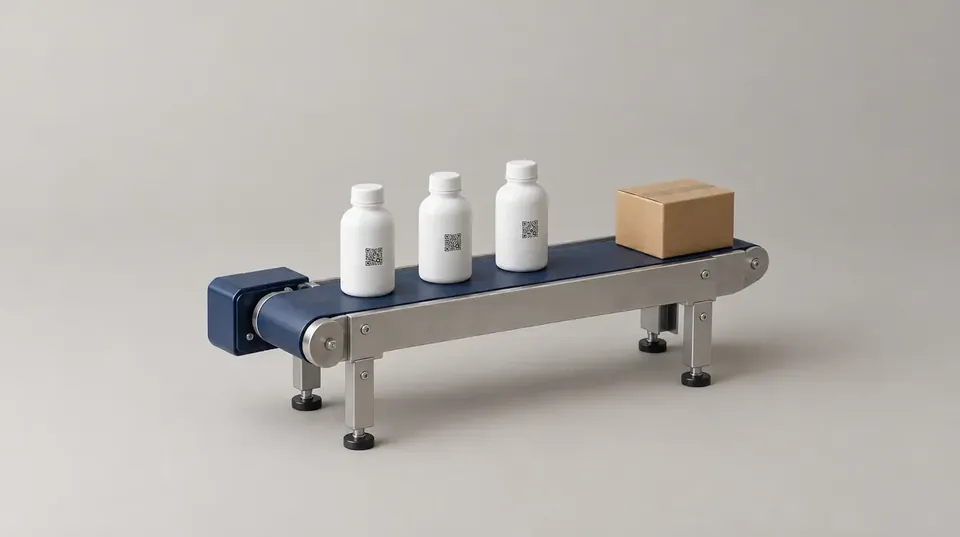
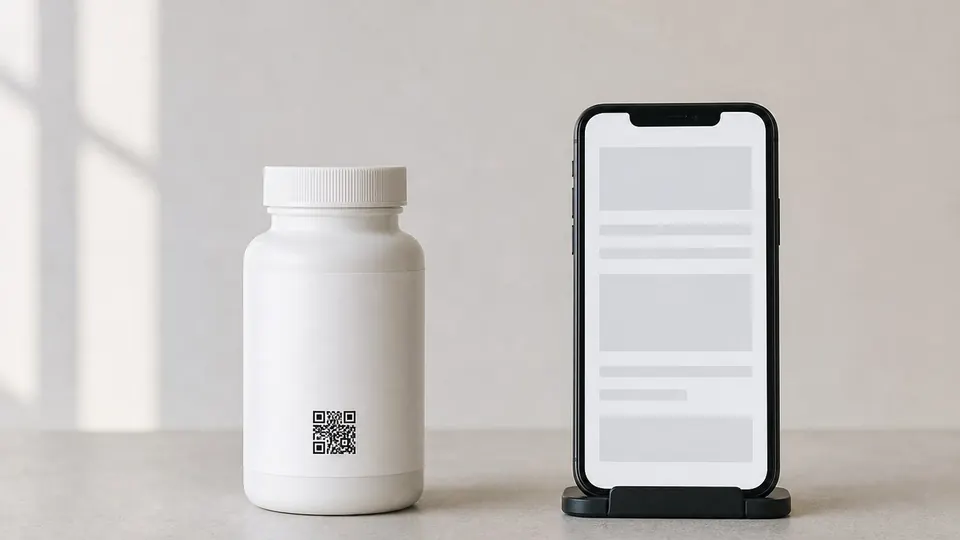
Tagvex is not warranty management software: it does not calculate periods, open claims or make decisions. It gives products a unique, copy-resistant code at unit level, records end-of-line and distribution handovers, flags a code scanned in an unexpected place or repeatedly, and compares the target market with the country where the scan took place. Company teams verify products with the mobile app, and records can connect to enterprise systems through the API.
Sources
- Law No. 6502 on Consumer Protection (mevzuat.gov.tr)
- Warranty Certificate Regulation (Official Gazette, 13 June 2014)
- Ministry of Trade, Warranty Certificate
- Ministry of Trade, SERBİS against fake authorised services
- Service Information System (SERBİS)
- Regulation on Refurbished Products (Official Gazette, 27 June 2026)